





At a glance
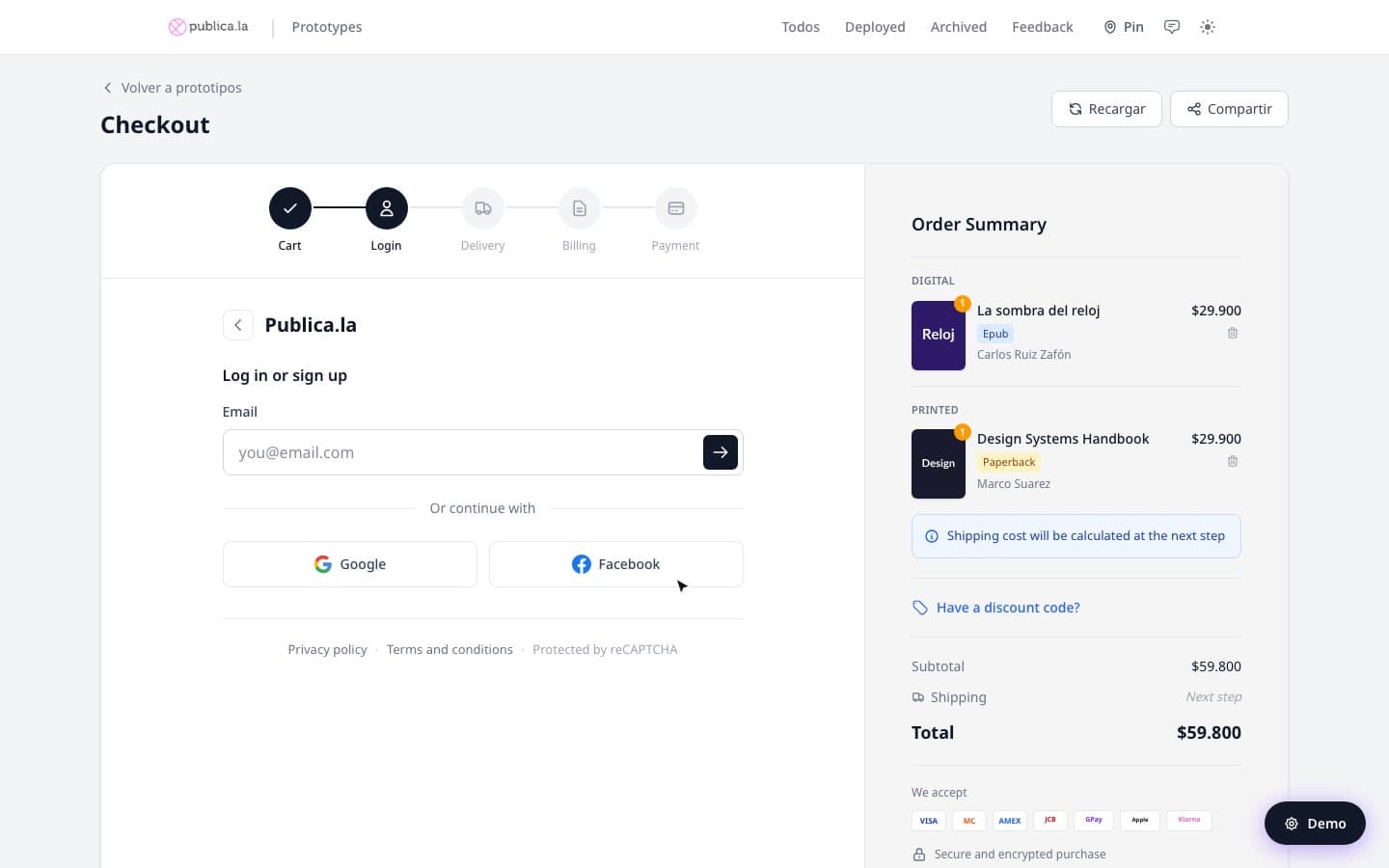
Role. Product Designer, the only designer on the team. I wrote the requirements, designed the checkout for desktop and mobile, ran design QA on launch day and wrote the payment error messages.
Period. December 2025 to March 2026.
Where we started
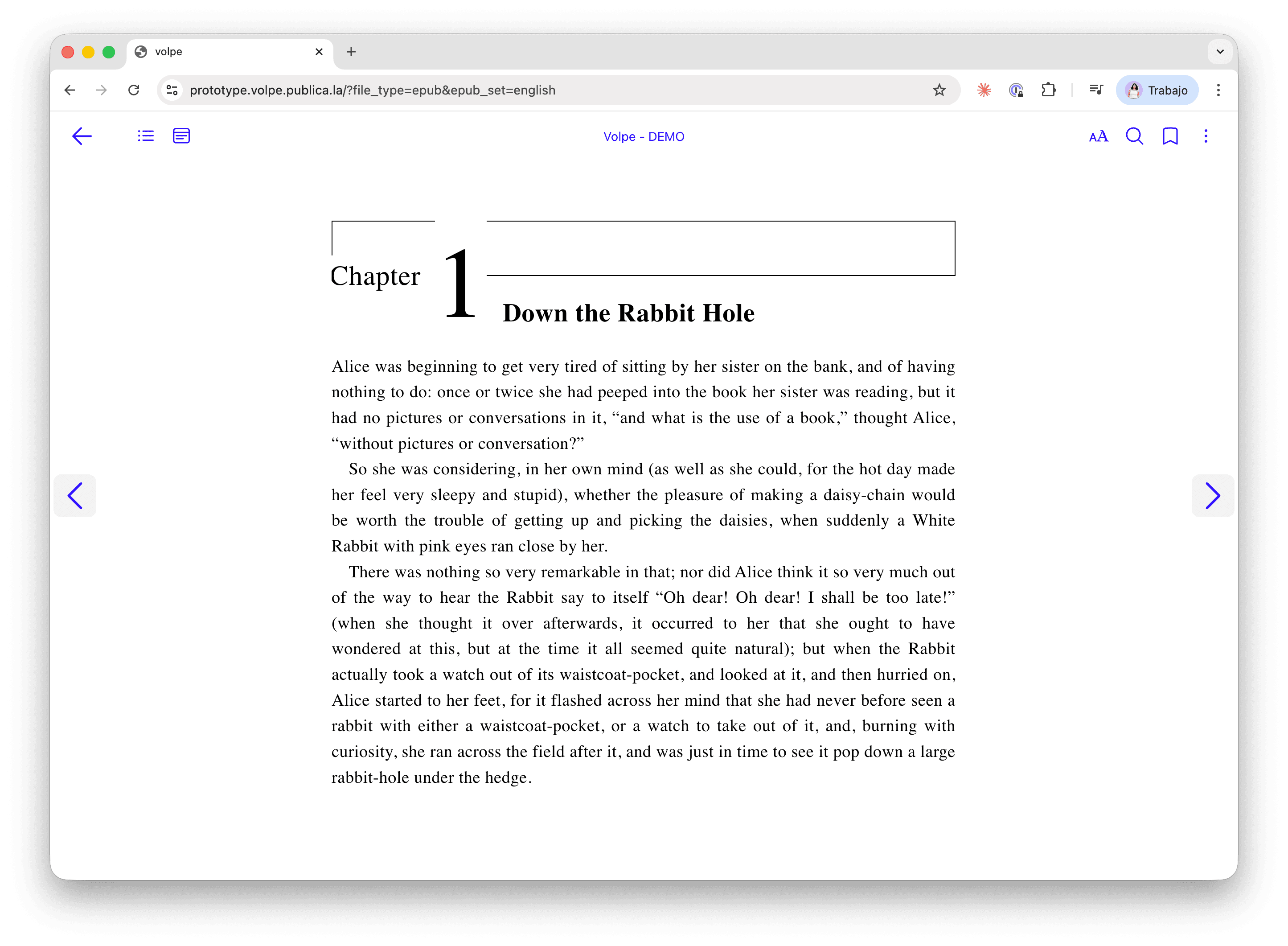
What it does. One checkout for a cart that can mix digital and physical products, with login, delivery, billing and payment in the same flow, plus a gift flow with a one-time code and a personal message.
In December 2025 the company decided to move all payments to a new provider, Yuno. The checkout we had asked for too many steps, and a mixed cart, an ebook plus a printed book, made it even harder.
Requirements and demo
Before designing anything I wrote down what the new one had to meet: two screens for "buy now", three for the cart, four with shipping, WCAG 2.2 AA and under 2.5 seconds to load.
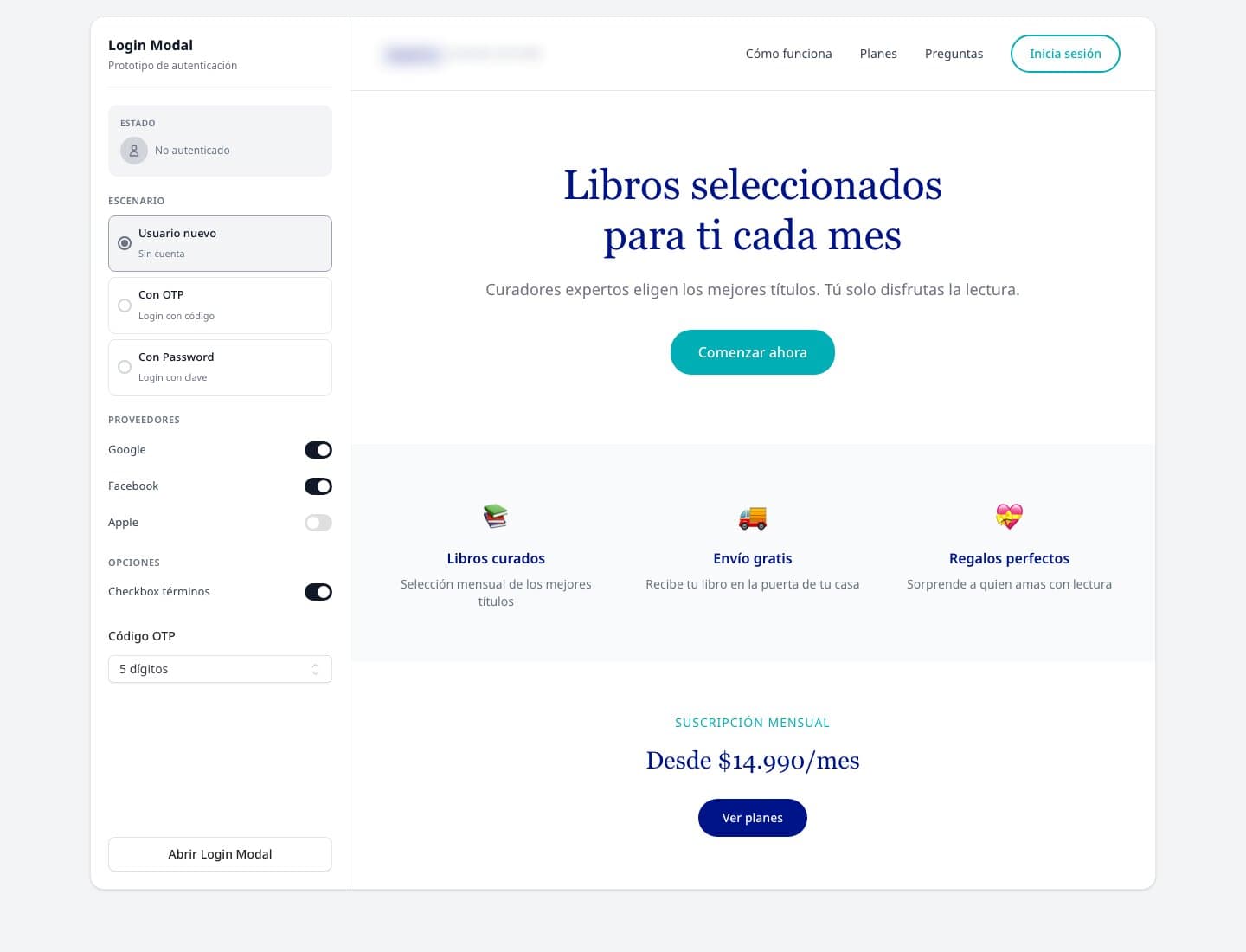
I designed desktop and mobile with every state, 3DS included, and built a demo in Figma Sites with a panel to switch the cart type and the login state. I shared it with the whole company without instructions, to see where people got stuck on their own.
Key decision
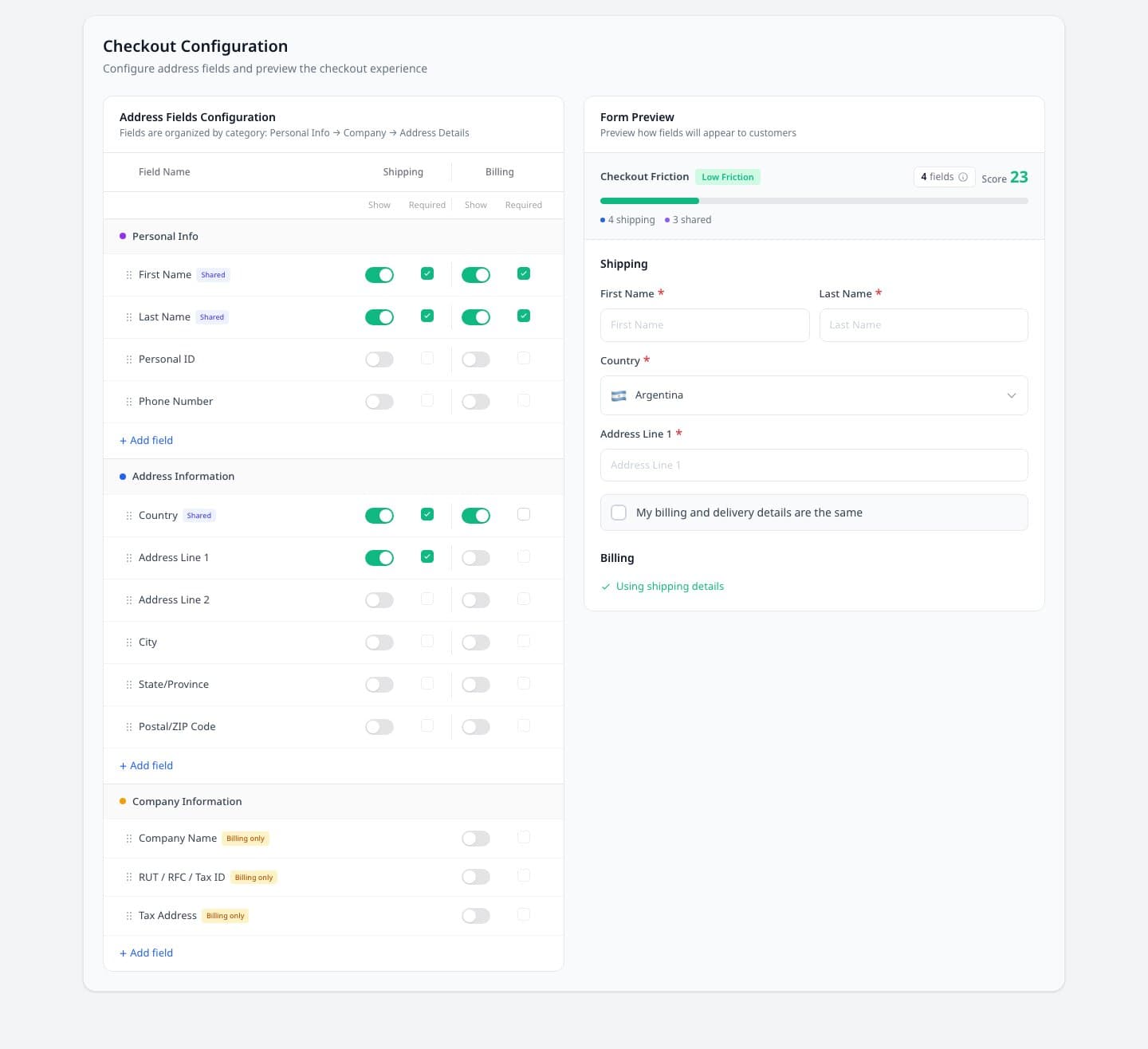
One configurable checkout instead of three. The gift variants had been drifting apart, so I merged them into a single flow configured by parameters, and that is what the developers built on.
Launch
The checkout went live 33 days after that demo, and the first real payment came in the same day. That day I opened eight design QA tickets, set a few rules (for example, we never hide a required field), decided with the team which bugs blocked the release and found a redirect bug by testing on real stores. Support used my mockup as their guide to how everything should look.
The first three months
In its first three months it processed tens of thousands of approved purchases across hundreds of stores, from buyers in 65 countries, in 14 currencies and with 10 payment methods: card, Mercado Pago, Pix, Yape, Khipu, Nequi, PSE, PayPal, SEPA and Przelewy24. The stores that migrated on launch day kept their approval rate close to 90%, the same as in the six weeks before.
Login and payment errors
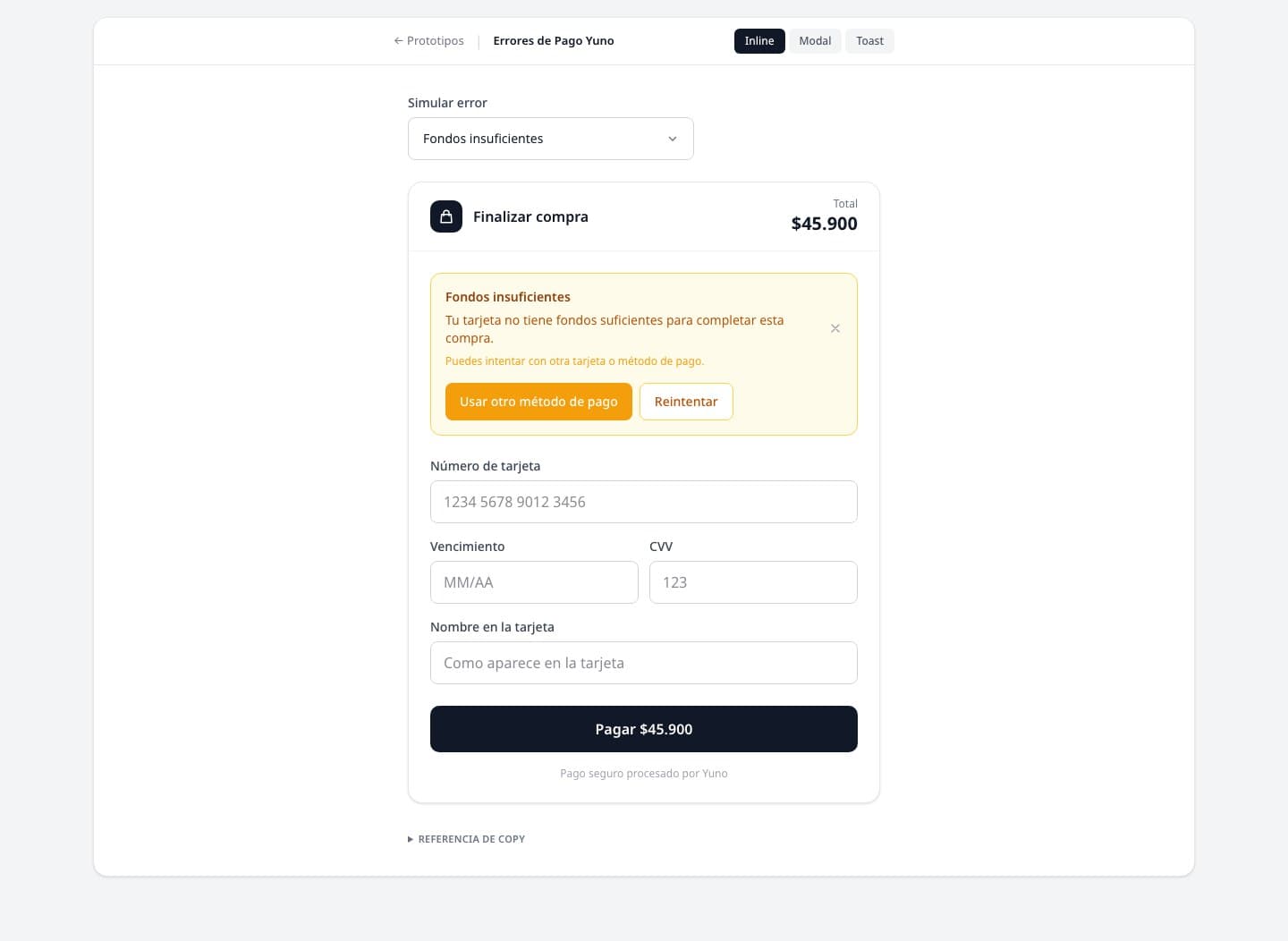
Then came the login inside the checkout, in March, and the payment error messages. Errors used to arrive as codes, so I wrote a message for each of the roughly 25 decline codes and decided where each one appears (inline, in a modal or as a toast) depending on the step the person is on.